Mastering Visual Humor: The Art of Funny T-shirt Quotes Design
A single, well-crafted phrase on a t-shirt can stop someone in their tracks, spark a laugh, and create an instant connection. In the crowded landscape of modern visual communication, a Funny T-shirt Quotes Design is more than just apparel; it's a powerful tool for branding, storytelling, and audience engagement. For graphic designers, marketers, and creators, understanding how to leverage typography and witty copy is essential for projects that demand personality and impact.
Why Humor is a Strategic Design Asset
Effective visual design is about evoking emotion and conveying a message instantly. Humor, when executed with precision, achieves this brilliantly. It breaks through the noise, making a brand or message more relatable and memorable. A clever quote design demonstrates a brand's voice, personality, and understanding of its audience, which is fundamental to building a strong brand identity. This approach isn't limited to merchandise; it informs social media graphics, marketing materials, and even packaging design, where a touch of wit can significantly enhance user experience.
Practical Applications Across Creative Projects
The principles behind a successful funny quote design are versatile, applying to numerous facets of graphic design and digital content creation. Its core function—to combine impactful typography with resonant content—can be adapted for various contexts.
- Branding and Logo Design: A tagline or slogan infused with humor can become a central element of a brand's identity, appearing on logos, business cards, and stationery.
- Social Media & Digital Marketing: Shareable, quote-based graphics drive engagement on platforms like Instagram and Twitter, boosting reach and fostering community.
- Website and UI Design: Microcopy, error messages, or call-to-action buttons with a friendly, humorous tone improve user experience (UX) and make interfaces feel more human.
- Editorial and Packaging Design: In book covers, magazine layouts, or product packaging, a witty line can serve as a powerful hook that draws the consumer in.
- Merchandise and Presentations: From t-shirts to slide decks, humorous elements make content more engaging and memorable for the target audience.
Design Principles for Effective Funny Quotes
Creating a compelling funny quote design requires more than just a good joke. It demands a thoughtful approach to visual hierarchy, readability, and aesthetic appeal. The goal is a professional presentation where text and design work in harmony.
Typography is the Star
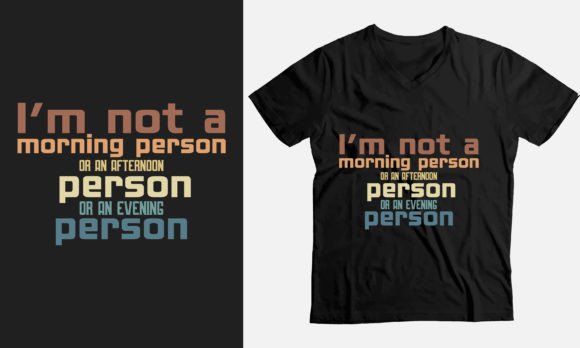
The choice of typeface sets the tone. A bold, blocky sans-serif can deliver punchlines with impact, while a playful script might add a layer of sarcasm or charm. Always prioritize readability—the humor is lost if the audience struggles to read the words. Consider kerning, leading, and font pairing to create a clean, polished layout that supports the message rather than distracting from it.
Composition and Color Palette
Use visual hierarchy to guide the viewer's eye. The punchline might be sized larger or given a contrasting color. A restrained color palette often works best, ensuring the text remains the focal point. For print design on apparel, consider the garment color as part of the overall composition, ensuring sufficient contrast for legibility and visual impact.
Know Your Audience and Goal
A design's success hinges on its relevance to the intended audience. Align the humor with the brand's voice and the project's objectives. Is the goal to appear approachable, edgy, or clever? Every design choice, from the quote's tone to the supporting graphic design elements, should be consistent with that goal and the broader brand identity.
Ultimately, integrating a Funny T-shirt Quotes Design philosophy into your work is about mastering the balance between wit and design fundamentals. It’s a testament to how thoughtful typography and strategic messaging can transform simple text into a compelling visual asset. By selecting and applying these creative elements with care, designers can elevate projects, strengthen communication, and create work that resonates on a human level, proving that great design is not only seen but also felt.